

From Transplants to Anti-Aging: The Evolution of Sirolimus
Longevity science isn’t about living forever — it’s about living better for longer. Over the past decade, researchers have shifted their focus from treating disease after it appears to understanding the cellular pathways that drive aging itself.
One pathway, in particular, has captured global attention: mTOR.
And at the center of that conversation is a medication known as Sirolimus, or Rapamycin. Keep reading below to find out why researchers are excited about mTOR as it relates to longevity.
What Is mTOR and Why Does It Matter for Aging?
mTOR stands for mechanistic Target of Rapamycin, a cellular signaling pathway that regulates growth, metabolism, and nutrient sensing. When nutrients are abundant, mTOR tells cells to grow and divide, which is a helpful process when we’re young.
But as we age, chronic overactivation of mTOR has been linked to:
Accelerated cellular aging
Increased inflammation
Impaired metabolic function
Reduced autophagy (the body’s cellular “cleanup” process)
In short, when mTOR stays “on” too often for too long, cells focus more on growth than maintenance, and that’s when damage begins to accumulate.
This is where longevity science takes a turn.
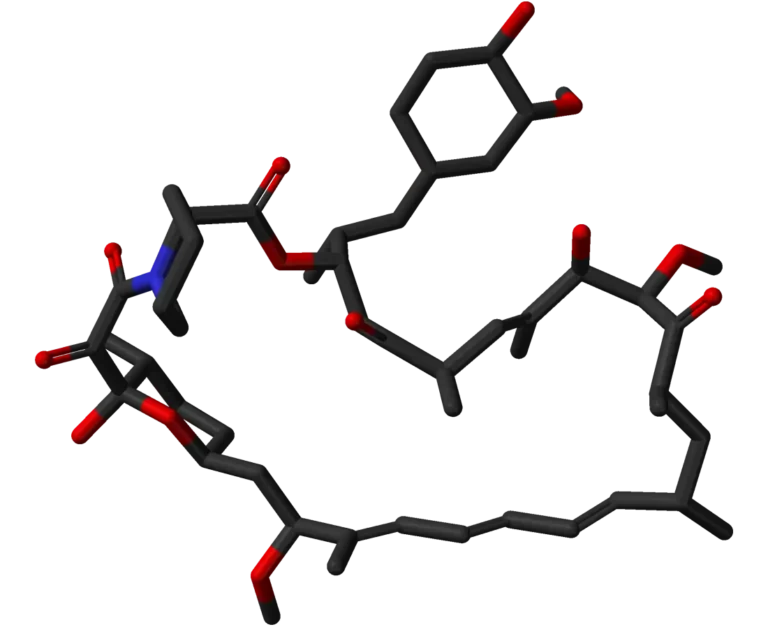
The History of Sirolimus
Sirolimus was originally approved as an immunosuppressant for organ transplant patients, helping prevent rejection by modulating immune activity.
But researchers soon noticed something unexpected.
Patients receiving sirolimus appeared to experience slower cellular aging, improved immune regulation, and enhanced cellular repair mechanisms. These observations sparked decades of research, including studies in yeast, worms, mice, and now humans.
Today, sirolimus is one of the most studied compounds in longevity science, largely because of its ability to inhibit mTOR.
How Sirolimus Works in the Body
Sirolimus works by strategically inhibiting mTOR activity, allowing cells to shift from constant growth mode into repair and maintenance mode.
This shift may help:
Promote autophagy, the process that clears damaged cells and proteins
Reduce chronic, low-grade inflammation associated with aging
Support metabolic balance and insulin sensitivity
Enhance cellular resilience over time
When used thoughtfully and under medical supervision, sirolimus isn’t about shutting mTOR down completely. It’s about restoring balance.
So Why Are Longevity Experts Are Paying Attention?
Low-dose, intermittent sirolimus protocols are being explored for their potential to support:
- Healthy Aging – By reducing cellular stress and promoting internal repair mechanisms, sirolimus may help slow biological aging processes.
- Immune Regulation – Sirolimus modulates immune activity, which may help reduce chronic inflammation often seen with aging, sometimes referred to as “inflammaging.”
- Metabolic Health – Early research suggests sirolimus may improve insulin sensitivity and glucose regulation in certain individuals.
- Cellular Repair and Resilience – By encouraging autophagy, sirolimus helps cells clear out damaged components, supporting healthier function over time.
- Neuroprotective Potential – Ongoing research is examining its role in protecting against age-related cognitive decline and neurodegenerative processes.
It’s important to note: while research is promising, sirolimus is not FDA-approved for anti-aging or longevity and is used off-label under provider supervision.
A Unique Approach, Not For Everyone
Sirolimus is powerful, and that’s why personalization matters.
Longevity-focused protocols typically involve low, intermittent dosing, often once weekly, rather than daily use. The right approach depends on your health history, lab values, goals, and tolerance.
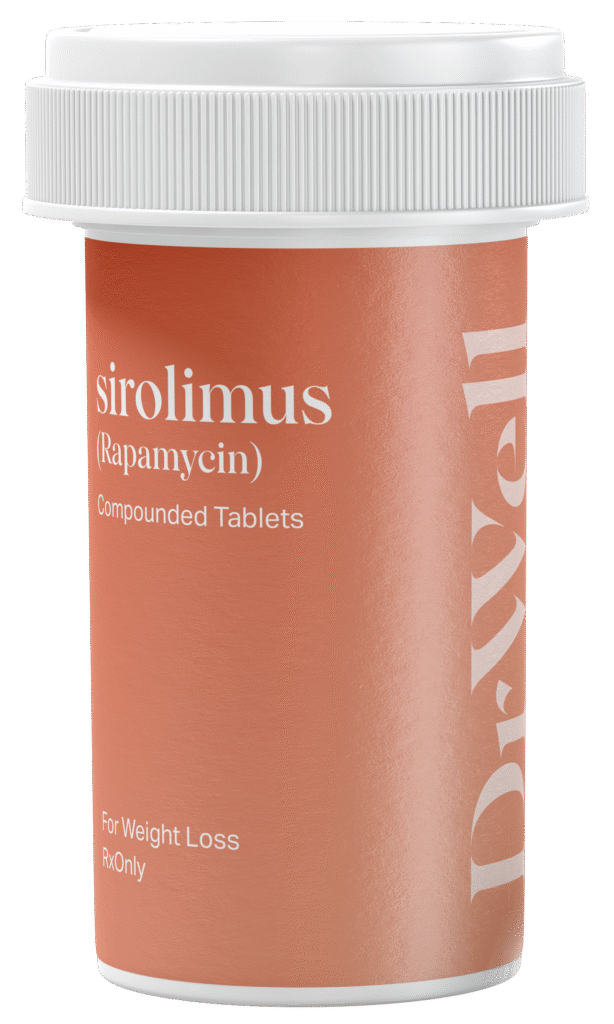
Explore Sirolimus Through DrWell
DrWell’s Sirolimus is a prescription medication that’s gaining significant attention in longevity and anti-aging medicine for its ability to support cellular repair, inflammation control, and metabolic balance. Find a provider today to find out if this could be right for you.