
Medications a provider may discuss.




Anti-Aging 2 S
Compounded topical cream combining alpha lipoic acid, estriol, finasteride, and tretinoin
Anti-Aging 2 SListing a medication is not an offer, recommendation, or confirmation of availability. Your provider and pharmacy determine what is appropriate.
You don't have to figure this out alone.
Noticing more hair in the brush or a wider part can be unsettling. So can trying products that didn't work. A provider conversation gives you a place to discuss both, without needing to know the cause first.
Start with when it began.
Talk about when you first noticed shedding or thinning, how it has changed, and what you've already tried. Your timeline helps a provider understand what may be going on.
Understand what may be driving it.
Hair loss has many causes, including genetics, hormones, thyroid problems, low iron, stress, and some medications. A provider can evaluate your history before discussing treatment.
Look beyond the prescription.
Find out how visits, costs, and follow-up work so you understand what care would involve before deciding to move forward.
How DrWell works
From researching treatment to talking with a provider.
Use DrWell to find providers serving your location, get to know a practice, and take the next step toward a hair loss evaluation.
1
Find a provider serving your location.
Explore provider information through DrWell and identify practices to contact about hair loss care.
2
Get answers before you book.
Review the provider's qualifications. Contact the practice about services, appointment options, fees, and availability so you know what to expect.
3
Start with your history and goals.
At your evaluation, discuss when the hair loss started and what you've tried. Your provider explains the options and determines whether treatment is appropriate.
Understand your options
Explore the possibilities. Start with your needs.
Hair loss treatment can involve more than one approach, and the right one depends on the cause. A provider can help you understand what may fit your health history, goals, and previous treatment experience.
You don't need to choose from the options below before reaching out. Treatment begins with an evaluation, where you can discuss your questions and concerns. Services and treatment availability vary by practice.
01
Finding the cause first
Pattern hair loss, thyroid conditions, low iron, stress-related shedding, and some medications can look alike. A provider may examine your scalp, review your history, and consider lab work before recommending anything.
02
Oral prescription options
Finasteride is FDA approved for male pattern hair loss and is not for women who are or may become pregnant. Reported side effects include sexual side effects, and some people report mood changes. Other oral medications, including dutasteride, low-dose oral minoxidil, and spironolactone for some women, are used off-label, meaning outside their labeled indication. Discuss suitability, interactions, and monitoring with your provider.
03
Topical treatments
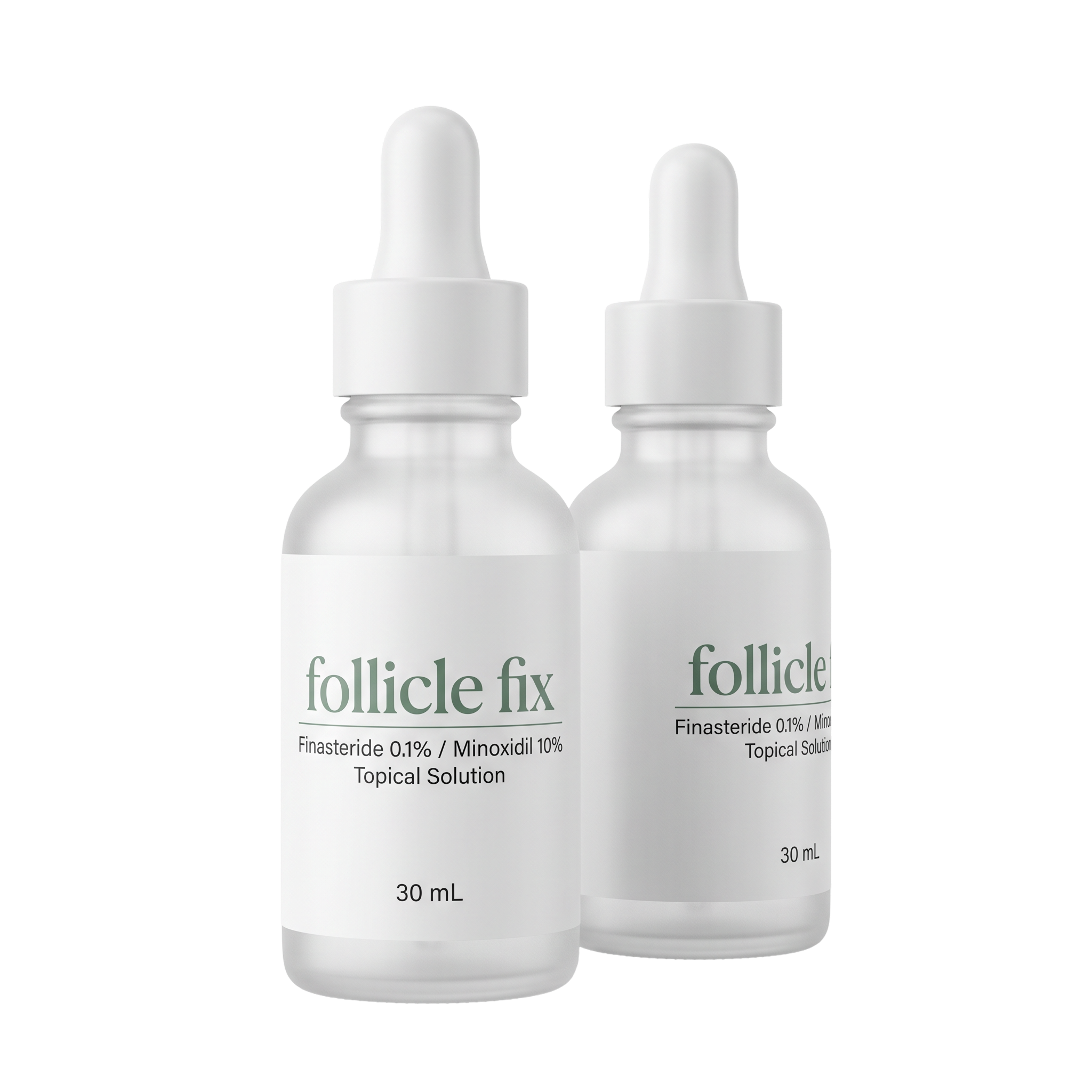
Topical minoxidil is available over the counter and is FDA approved for women as well as men, which is why minoxidil for women is a common starting point. Practices may also offer topical finasteride, alone or combined with minoxidil. Compounded topical preparations are compounded, not FDA approved. Ask why a specific combination is being considered, how it differs from an oral option, and what evidence supports it.
04
Procedures and devices
Some practices offer platelet-rich plasma (PRP) injections or FDA-cleared low-level laser devices, and a specialist may discuss hair transplant surgery. Evidence and results vary. Ask what to realistically expect, how many sessions are involved, and what the total cost would be.
05
Nutrition and supplements
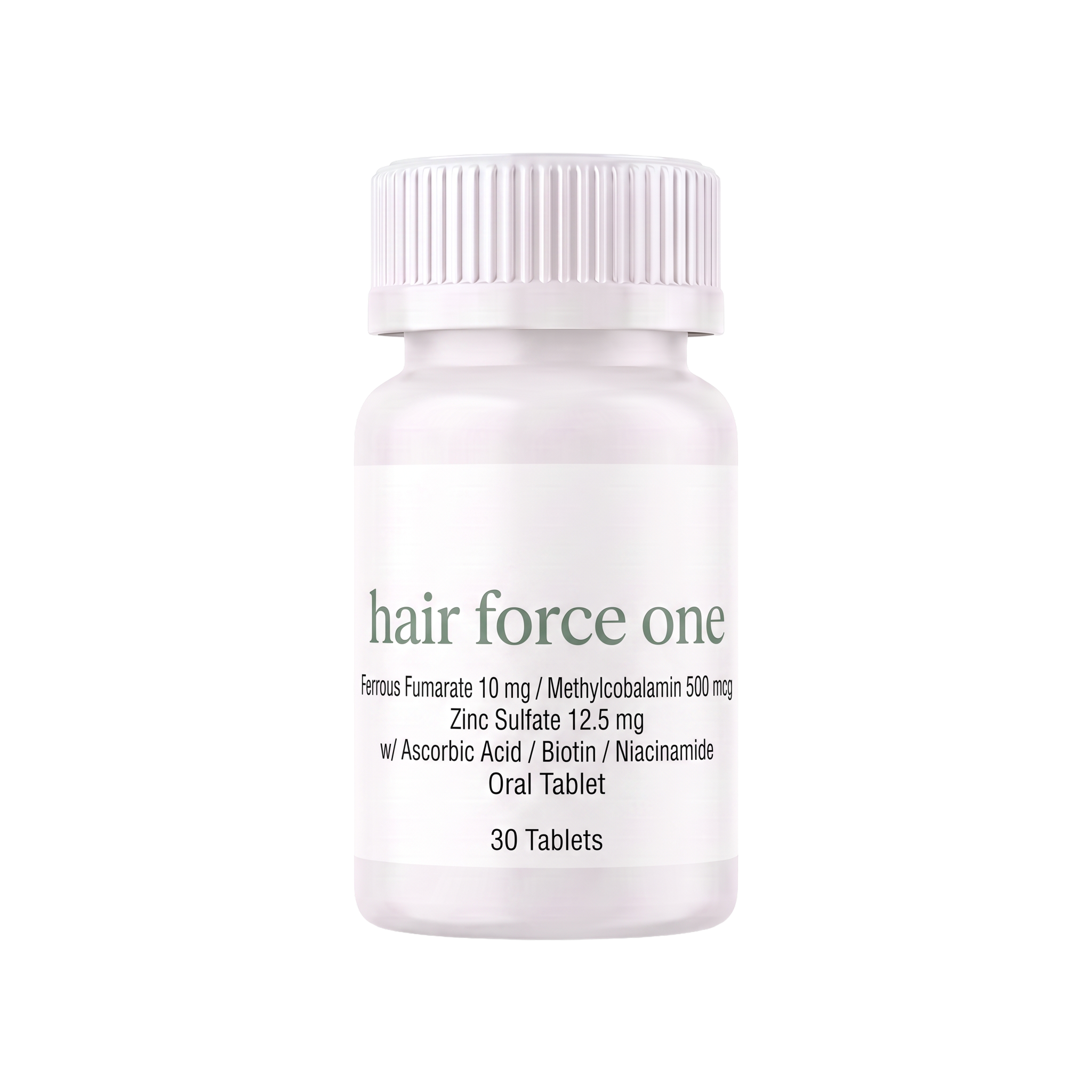
Supplements may be recommended when a deficiency is found. Biotin can interfere with some lab tests, so tell your provider if you take it. A supplement is different from a prescription, so ask what each recommendation is meant to address.
Find the provider, not just the medication.
Searching for "finasteride near me" or "minoxidil near me"? Whether you're considering a hair loss clinic or a broader dermatology or wellness practice, get to know who would evaluate you and how they handle care after the first visit.
Finasteride vs minoxidil: start with your health.
You don't need to choose between treatments before making an appointment. A provider can explain how the differences relate to your cause of hair loss, medical history, potential risks, preferences, and costs.
Finasteride
An oral prescription that lowers DHT, a hormone linked to pattern hair loss.
Minoxidil
Applied to the scalp as a topical, or prescribed as a low-dose oral tablet off-label. It is thought to prolong the growth phase of hair follicles.
These treatments work differently, have different risks, and are sometimes used together. Bring your questions to a provider who can evaluate whether either is appropriate for you.
Find a providerKnow what care would cost
Understand the full cost before you decide.
Look beyond the medication price. Find out what you would pay to get started, what ongoing care includes, and which expenses are separate.
Your first visit and follow-up.
Confirm the evaluation fee, what the appointment includes, and how future visits are billed. Ask what happens if you have questions between appointments.
Your medication.
Finasteride cost and minoxidil cost depend on the specific prescription, dispensing pharmacy, and payment arrangements. Ask what the quoted price includes.
Other expenses.
Ask whether lab work, procedures, supplies, or recurring program fees are billed separately. Hair loss treatment is generally ongoing, so ask what continued care would cost over time.
When asking about a compounded topical, request a quote for the exact preparation, which is compounded, not FDA approved, from the provider and pharmacy. Confirm the total and whether appointment fees or other expenses are separate.
Find a providerHair loss clinic near me, or care online?
Your appointments need to work with your routine. Find a provider serving your location, then ask how the practice handles visits and ongoing care.
Looking for a hair loss clinic near me?
Prefer an in-person scalp exam? Confirm the practice's location, services, and evaluation process. Ask how follow-up works and whom you would contact with questions about treatment.
Prefer online hair loss treatment?
Ask whether the provider offers virtual appointments where you are located, whether scalp photos are used, and whether any visits or testing require an in-person appointment.
Appointment formats, services, and availability vary by provider.
Find a providerThe first conversation
Choose the provider, not just the prescription.
Get to know the healthcare professional and practice responsible for your care. Look beyond the treatment name to understand how the practice would work with you.
Qualifications
Review the provider's credentials and experience with hair loss care.
Care approach
Ask how your history, goals, and previous treatment experience inform the evaluation.
Follow-up
Hair treatments typically take months to show results. Find out how check-ins, side-effect concerns, and other medical questions are handled.
Fees
Confirm who bills you, what each charge includes, and which expenses are separate.
FAQ
Questions patients ask
Straight answers about medication, cost and how to get started.
Find a provider. Start with your hair.
You don't need to have a medication in mind. Find a provider through DrWell to discuss what you've tried, what concerns you, and whether hair loss treatment may be appropriate for you.
Find a providerDrWell is not a clinic and does not provide medical advice, diagnosis, treatment, or prescriptions. Medical care is provided by the healthcare provider you choose. Finding a provider does not guarantee an appointment, prescription, or treatment outcome.
This page provides general information and does not establish treatment availability or individual suitability. Services, appointment formats, fees, and prescribing decisions vary by provider. Compounded medications are compounded, not FDA approved.