
L-Carnitine Injection
A compounded L-carnitine injection that a licensed provider may prescribe as part of a medically supervised weight management program. Compounded medications are not FDA approved.
Compounded drugs are not FDA approved. FDA does not review compounded drugs for safety, effectiveness, or quality before marketing.
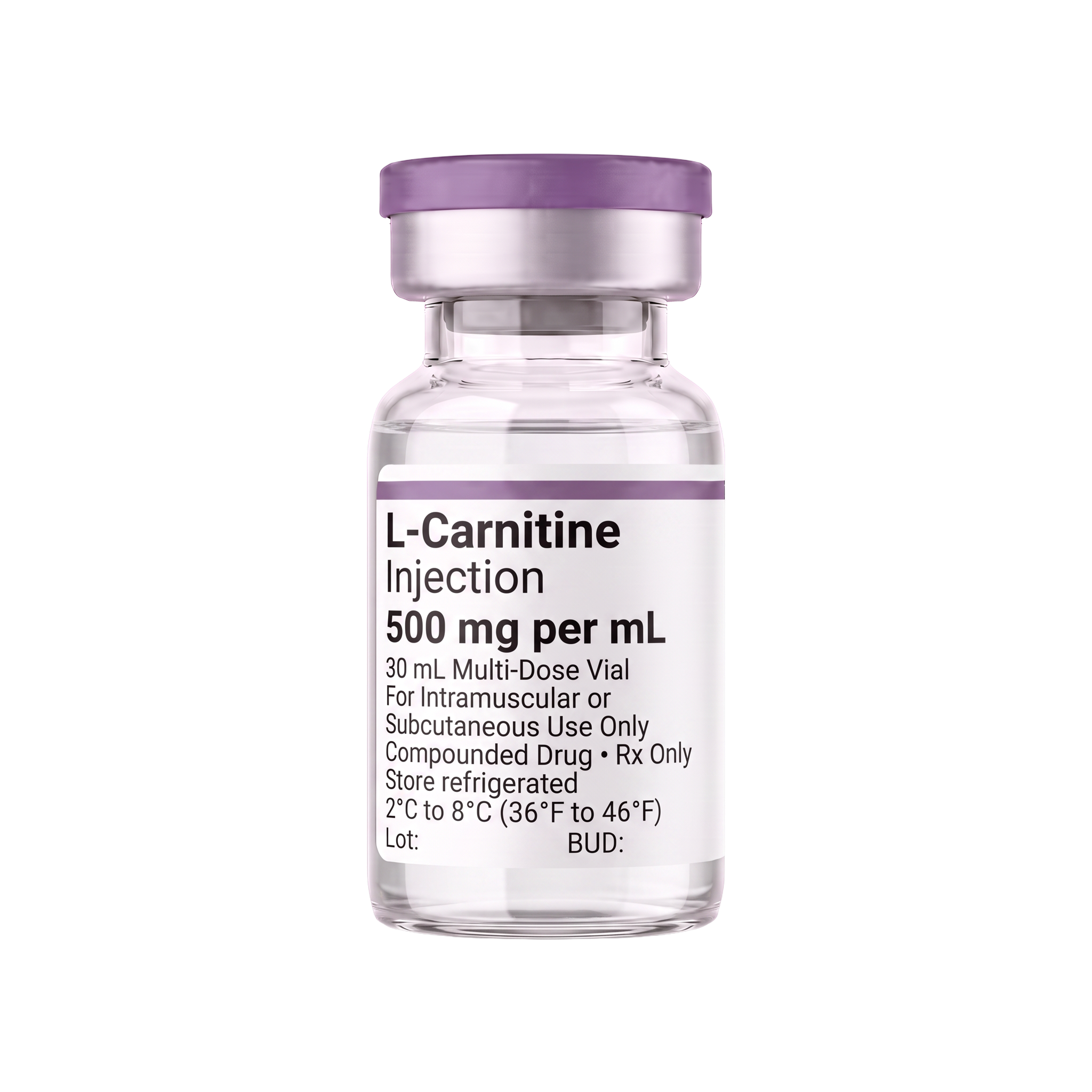
See it before your first visit
Photographs of the medication as dispensed.

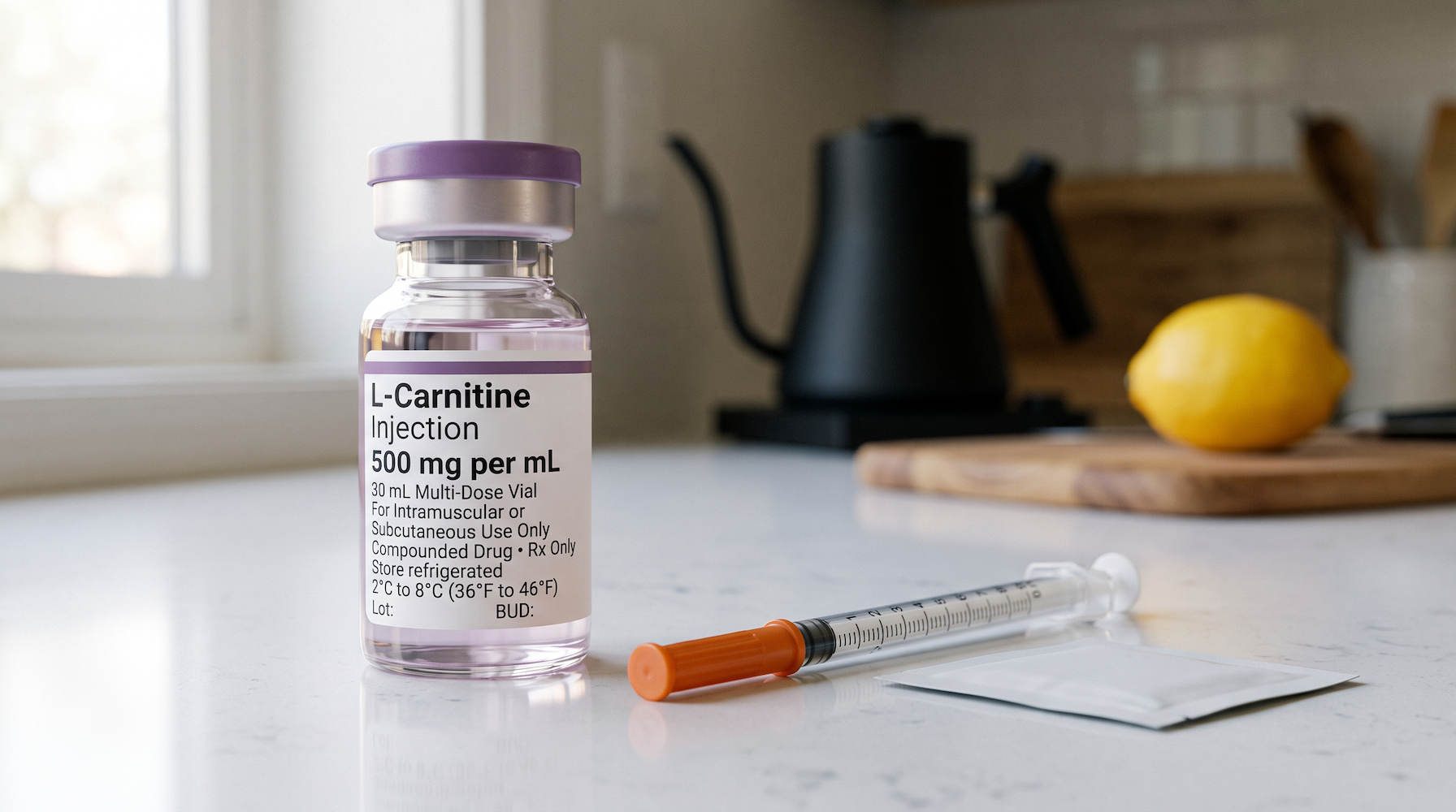
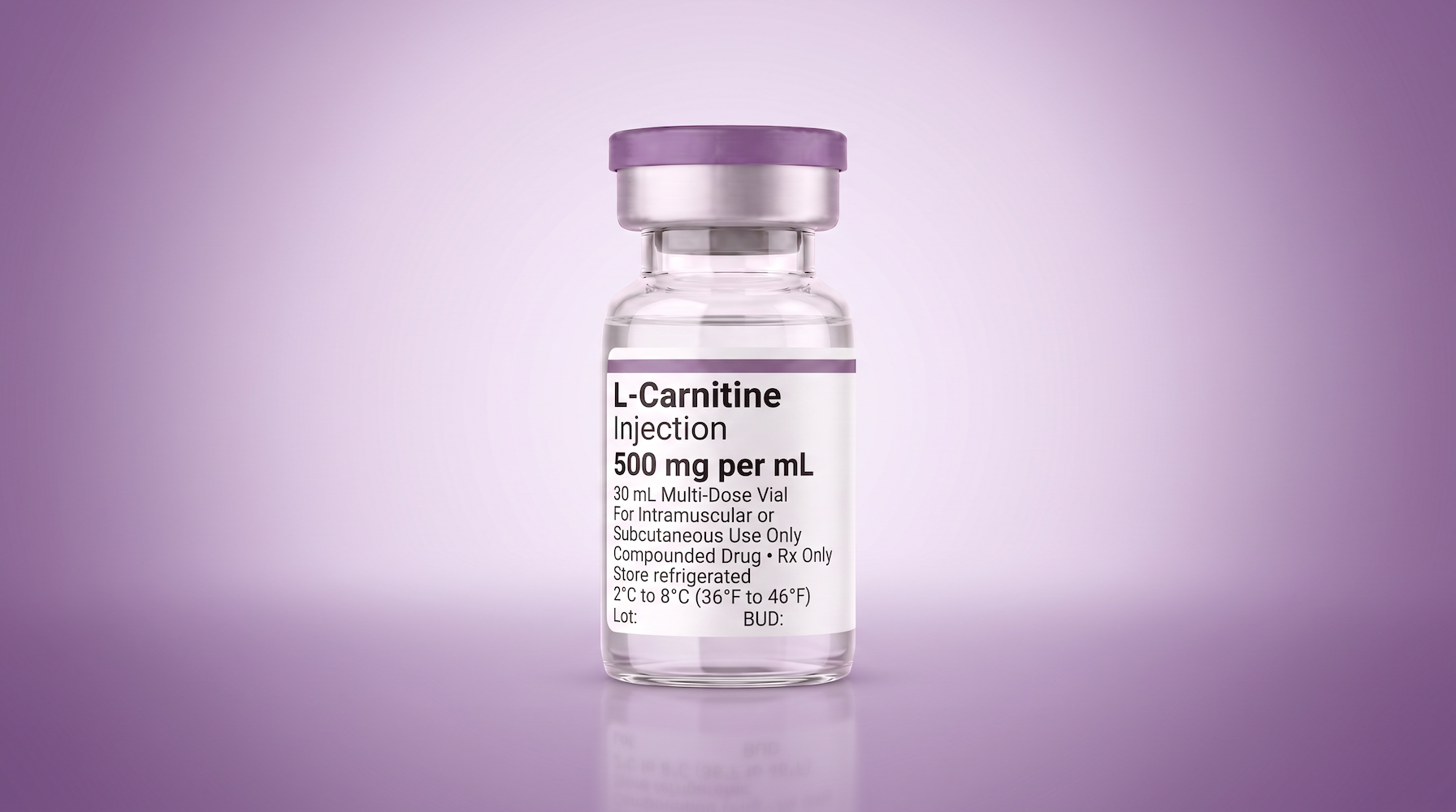
What it is
L-carnitine is a compound made from amino acids that the body produces naturally and that is also found in foods such as red meat and dairy. A licensed provider may prescribe an injectable form as part of a medically supervised weight management program, after reviewing your health history, medications and goals.
This medication is compounded. It is prepared by a licensed pharmacy for an individual patient based on a prescription. Compounded medications are not FDA approved, which means the FDA has not evaluated their safety, effectiveness or quality.
How it works
Carnitine helps move fatty acids into the mitochondria, the part of the cell that turns them into energy. The body makes enough carnitine for most people, and evidence that extra carnitine increases weight loss in people who are not deficient is limited.
Your provider determines whether L-carnitine is appropriate for you, and sets the dose and schedule.
What to expect
Your provider will review your health history and current medications before prescribing, and will explain how to use the injection. L-carnitine is used alongside nutrition and activity changes, not instead of them. Follow-up visits are part of treatment.
Individual responses vary, and results are not guaranteed.
Who it is for
Whether L-carnitine injections are appropriate for you is a decision made by a licensed provider based on your health history, medications and goals. It is not appropriate for everyone, including people with a history of seizures or certain kidney conditions.
This page is general information and is not medical advice.
Side effects
Commonly reported side effects include nausea, vomiting, diarrhea, stomach cramps, a fishy body odor, and redness, pain or swelling at the injection site.
Serious but less common effects include seizures, particularly in people with a history of seizures, and allergic reactions. Contact your provider promptly about a seizure, trouble breathing, swelling of the face or throat, a rash that spreads, or severe stomach pain.
This is not a complete list. Ask your provider about the full prescribing information.
Read this before you start
Compounded drugs are not FDA approved. FDA does not review compounded drugs for safety, effectiveness, or quality before marketing.
Medication availability, formulation, packaging and pharmacy fulfillment vary based on the patient's prescription and location.
Compounded medication. This medication is compounded by a licensed pharmacy and is not FDA approved. The FDA has not evaluated compounded medications for safety, effectiveness or quality. It is prescribed for an individual patient by a licensed provider.
Seizures. L-carnitine has been associated with seizures, including in people with a history of seizures. Tell your provider if you have ever had a seizure.
Medication interactions. L-carnitine can increase the effect of blood thinners such as warfarin and may interact with thyroid medication. Tell your provider about everything you take.
Kidney and heart health. Tell your provider if you have kidney disease, heart disease or high blood pressure. Some research has linked high carnitine intake to higher levels of a gut-derived compound associated with cardiovascular risk.
Injection safety. Use only as directed by your provider. Do not reuse needles or share injection supplies.
Not medical advice. The information on this page is general and educational. It does not establish a provider relationship and does not replace a consultation with a licensed provider.
Common questions
Is L-carnitine injection FDA approved?
No. This medication is compounded by a licensed pharmacy, and compounded medications are not FDA approved. The FDA has not evaluated them for safety, effectiveness or quality.
Will it make me lose weight?
No specific result can be promised. Evidence that extra carnitine increases weight loss in people who are not deficient is limited. It is used alongside nutrition and activity changes.
How is it used?
Exactly as your provider directs. Do not change the dose or schedule on your own.
Can I take it with other medications?
Tell your provider about every medication you take. L-carnitine can interact with blood thinners and thyroid medication.
What if I have side effects?
Contact your prescribing provider. Seek urgent care for a seizure, trouble breathing or signs of a serious allergic reaction.
%20(1)%20(1)%20(1).png)