
Ondansetron Oral
A compounded oral medication that a licensed provider may prescribe to help manage nausea as part of a medically supervised program. Compounded medications are not FDA approved.
Compounded drugs are not FDA approved. FDA does not review compounded drugs for safety, effectiveness, or quality before marketing.
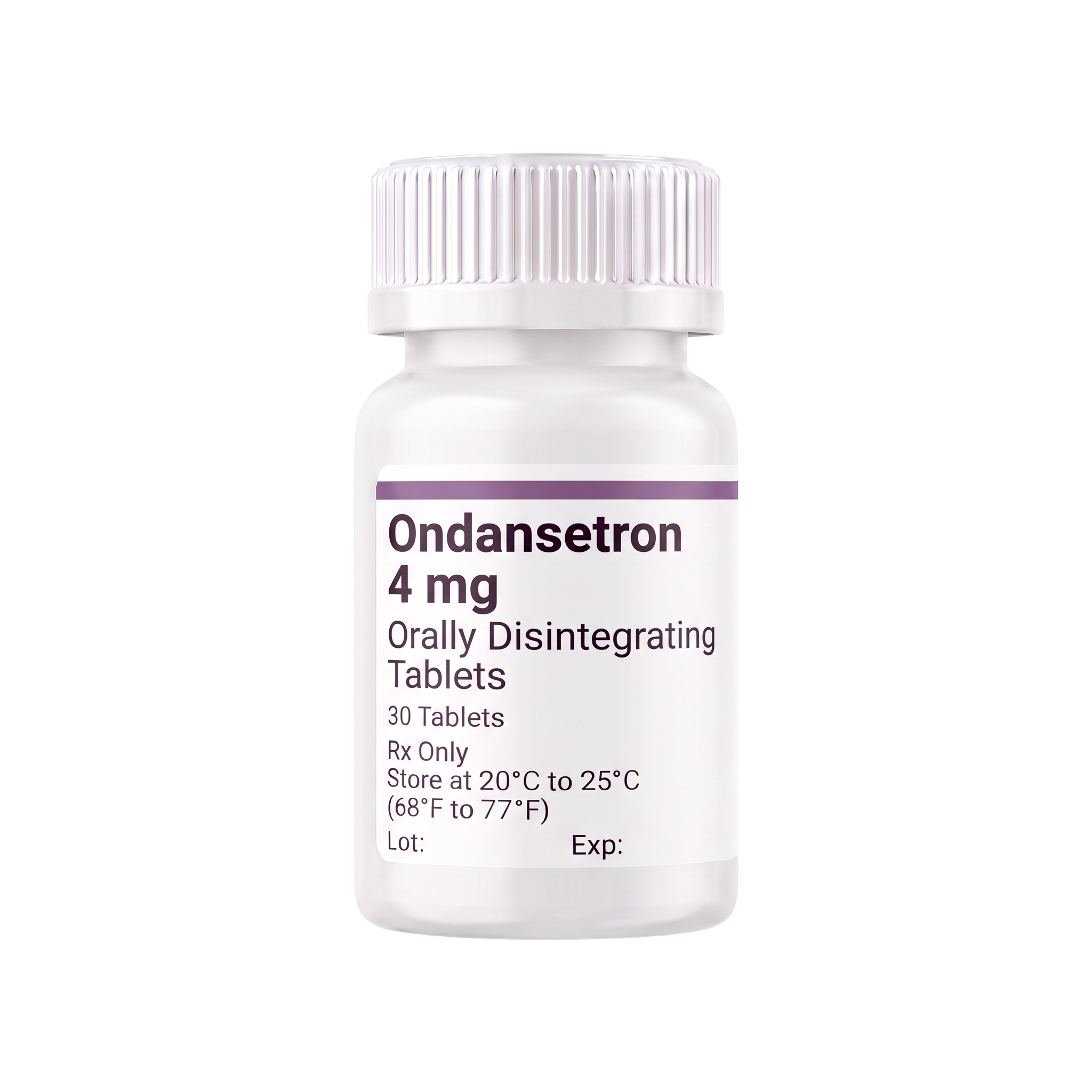
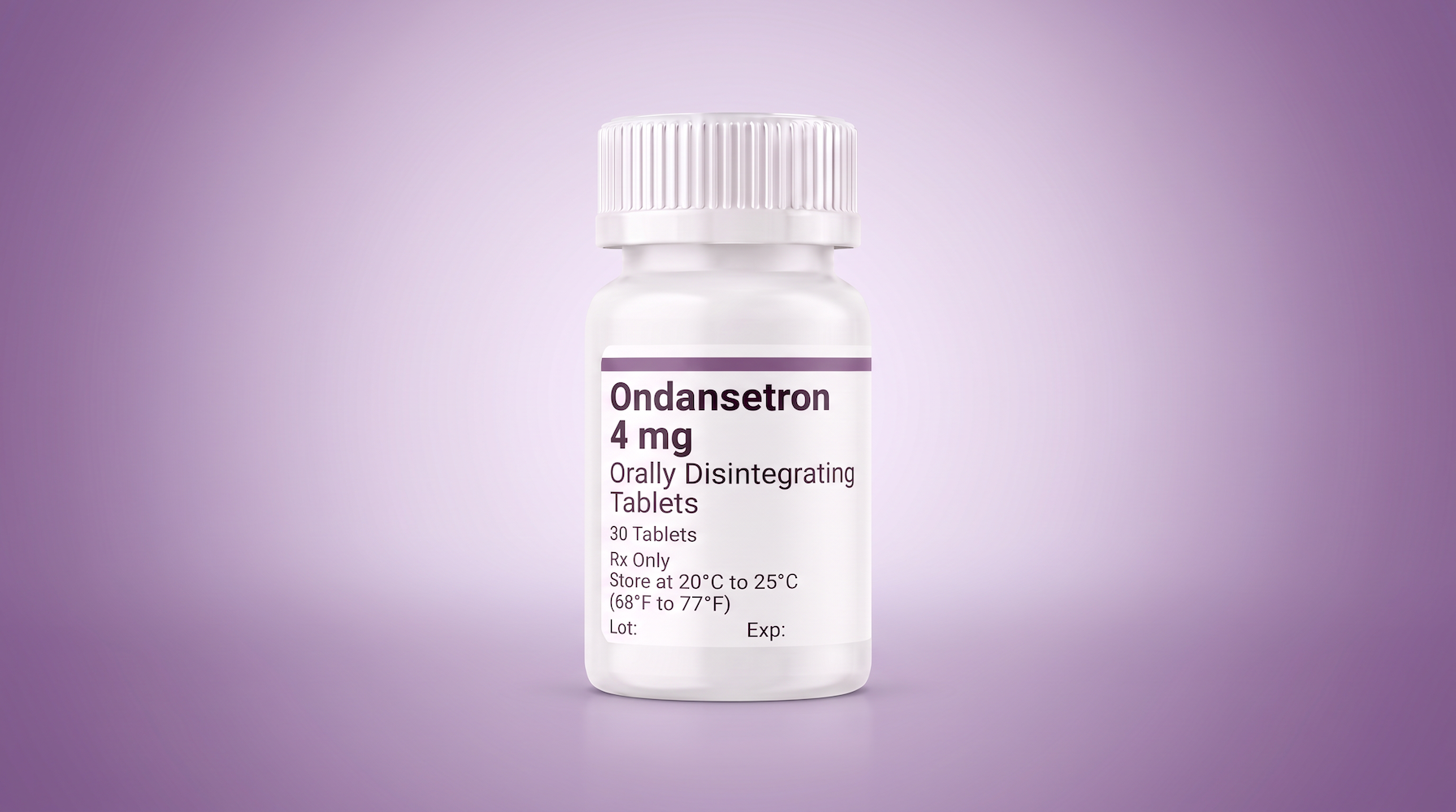
See it before your first visit
Photographs of the medication as dispensed.


What it is
Ondansetron is an anti-nausea medication. A licensed provider may prescribe it to help manage nausea that can occur during a medically supervised program, after reviewing your health history and current medications.
This medication is compounded. It is prepared by a licensed pharmacy for an individual patient based on a prescription. Compounded medications are not FDA approved, which means the FDA has not evaluated their safety, effectiveness or quality.
How it works
Ondansetron blocks serotonin 5-HT3 receptors in the gut and the brain. Activating these receptors is one of the signals that triggers nausea and vomiting, so blocking them can reduce those signals.
Your provider determines the dose and how often to use it, and may adjust it based on how you respond.
What to expect
Your provider will review your health history, heart health and every medication you take before prescribing, and will explain when and how much to take. Follow-up visits are part of treatment.
Individual responses vary, and results are not guaranteed.
Who it is for
Whether ondansetron is appropriate for you is a decision made by a licensed provider based on your health history and medications. It is not appropriate for everyone, including people with certain heart rhythm conditions and people who take apomorphine.
Nausea can have many causes. Tell your provider about persistent or severe nausea or vomiting. This page is general information and is not medical advice.
Side effects
Commonly reported side effects include headache, constipation, tiredness, dizziness and diarrhea.
Serious effects are less common and include changes in heart rhythm, serotonin syndrome and allergic reactions. Contact your provider or seek urgent care for a racing or irregular heartbeat, fainting, chest pain, agitation, fever, muscle stiffness, trouble breathing or signs of an allergic reaction.
This is not a complete list. Ask your provider about the full prescribing information.
Read this before you start
Compounded drugs are not FDA approved. FDA does not review compounded drugs for safety, effectiveness, or quality before marketing.
Medication availability, formulation, packaging and pharmacy fulfillment vary based on the patient's prescription and location.
Compounded medication. This medication is compounded by a licensed pharmacy and is not FDA approved. The FDA has not evaluated compounded medications for safety, effectiveness or quality. It is prescribed for an individual patient by a licensed provider.
Heart rhythm. Ondansetron can affect the electrical rhythm of the heart (QT prolongation). Tell your provider if you have a heart rhythm condition, heart failure, a slow heartbeat, low potassium or magnesium, or a family history of long QT syndrome, and about all medications you take that can affect heart rhythm.
Serotonin syndrome. Taking ondansetron with other serotonergic medications, such as antidepressants, certain migraine medications and some opioids, can rarely cause serotonin syndrome. Tell your provider about everything you take.
Masking symptoms. Ondansetron can hide the symptoms of a serious problem in the gut. Contact your provider about severe or persistent abdominal pain, bloating or vomiting.
Not medical advice. The information on this page is general and educational. It does not establish a provider relationship and does not replace a consultation with a licensed provider.
Common questions
Is ondansetron FDA approved?
No. This medication is compounded by a licensed pharmacy, and compounded medications are not FDA approved. The FDA has not evaluated them for safety, effectiveness or quality.
How does it help with nausea?
It blocks serotonin receptors in the gut and brain that help trigger nausea and vomiting.
How do I take it?
Exactly as your provider directs. Do not take more than prescribed.
Can it affect my heart?
It can affect heart rhythm in some people. Tell your provider about any heart conditions and every medication you take.
What if I have side effects?
Contact your prescribing provider. Seek urgent care for a racing or irregular heartbeat, fainting, chest pain or signs of an allergic reaction.
%20(1)%20(1)%20(1).png)