




Skin care
Prescription skin care.
Built around your skin.
Find a skin care provider to help you understand your options for acne, aging, and uneven tone, not a cream you have to choose on your own.
Whether you're searching for a "skin care clinic near me" or considering prescription skin care online, DrWell helps you find a provider serving your location. Bring your concerns, your current routine, and your questions. Start with a conversation about what may fit your skin and your health.
- Licensed providers
- Cash pay, priced up front
- Evaluation, treatment and follow up
Medications a provider may discuss.



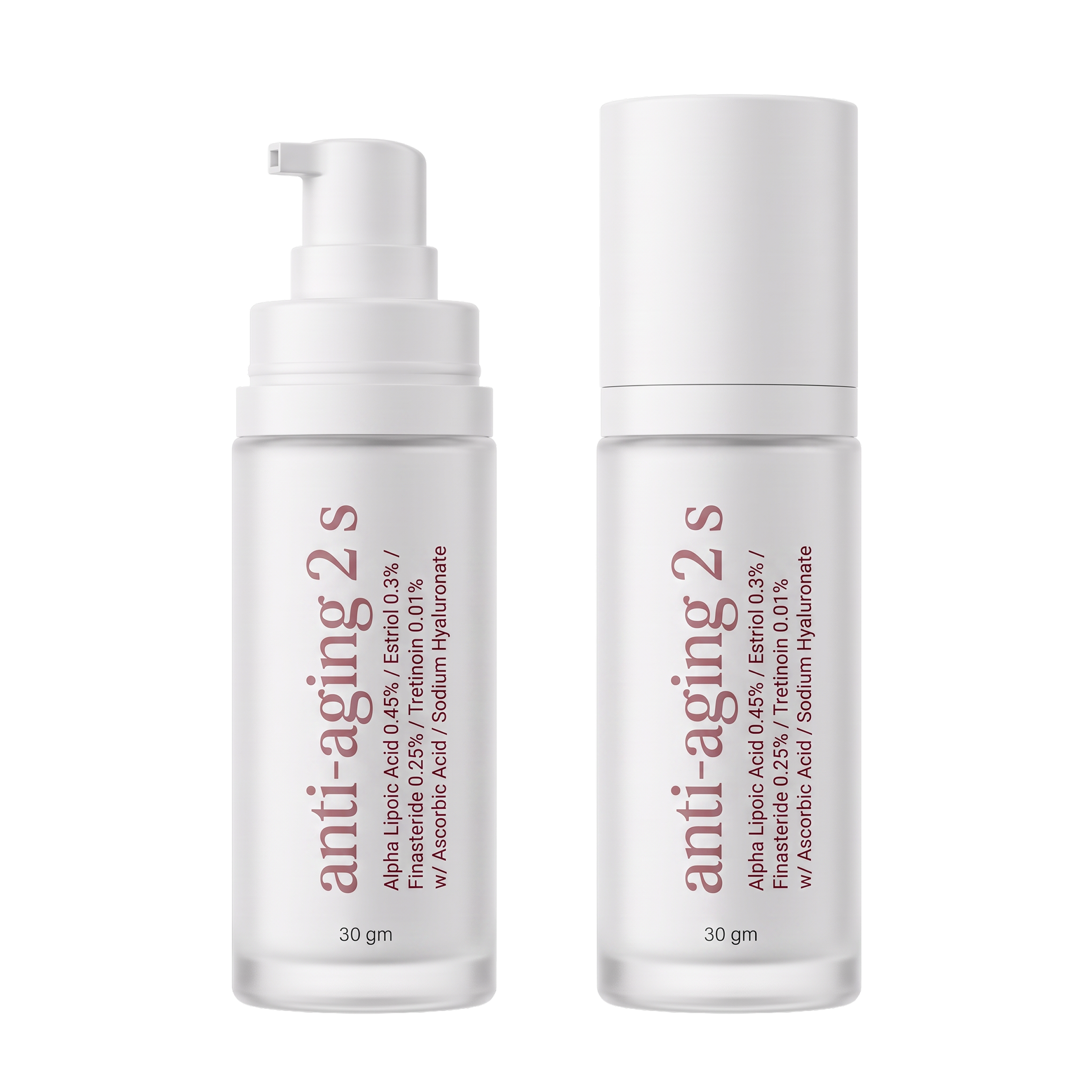
Anti-Aging 2 S
Compounded topical cream combining alpha lipoic acid, estriol, finasteride, and tretinoin
Anti-Aging 2 S
Brilliance
Compounded topical cream with azelaic acid, tranexamic acid, and niacinamide
Brilliance
Hydroquinone 12%
Compounded hydroquinone 12% topical cream for hyperpigmentation
Hydroquinone 12%
BLT Numbing Cream
Compounded benzocaine, lidocaine, and tetracaine 20/6/4% topical cream
BLT Numbing CreamListing a medication is not an offer, recommendation, or confirmation of availability. Your provider and pharmacy determine what is appropriate.
You don't have to build your routine alone.
Between shelves of products and advice from everywhere, it's hard to know what your skin needs. So is starting over after a routine that irritated or didn't work. A provider conversation gives you a place to discuss both, without needing to know the answer first.
Start with your concerns.
Talk about breakouts, texture, dark spots, redness, or signs of aging, and what has helped or made things worse. Your history belongs in the conversation.
Understand what may fit your skin.
Discuss treatment options, potential benefits, and risks in the context of your skin type, health history, and medications, not someone else's results.
Look beyond the product.
Find out how appointments, costs, and follow-up work so you understand what care would involve before deciding to move forward.
How DrWell works
From researching treatment to talking with a provider.
Use DrWell to find providers serving your location, get to know a practice, and take the next step toward a skin care evaluation.
1
Find a provider serving your location.
Explore provider information through DrWell and identify practices to contact about skin care.
2
Get answers before you book.
Review the provider's qualifications. Contact the practice about services, appointment options, fees, and availability so you know what to expect.
3
Start with your skin and goals.
At your evaluation, discuss your concerns and what you've tried. Your provider explains the options and determines whether treatment is appropriate.
Understand your options
Explore the possibilities. Start with your needs.
Skin care treatment can involve more than one product, and the right plan depends on your skin and your goals. A provider can help you understand the approaches that may fit your history and previous treatment experience.
You don't need to choose from the options below before reaching out. Treatment begins with an evaluation, where you can discuss your questions and concerns. Services and treatment availability vary by practice.
01
Starting with your skin and history
A provider may review your skin type, concerns, current products, medications, and sun exposure. Some skin conditions that look like acne, such as rosacea, need different treatment, so an evaluation matters before anything is prescribed.
02
Retinoids
Tretinoin cream is an FDA-approved prescription retinoid used for acne and for photoaging. A tretinoin prescription requires an evaluation by a provider, which may be done in person or online where permitted. Adapalene is also available over the counter. Retinoids commonly cause dryness, peeling, and sun sensitivity at first, and they are not used during pregnancy. Ask how to introduce one gradually and how to use daily sunscreen alongside it.
03
Acne treatments
Options a provider may discuss include benzoyl peroxide, topical antibiotics, azelaic acid, and retinoids. For some women, spironolactone is used off-label, meaning outside its labeled indication, and is not for use during pregnancy. Isotretinoin is a specialist-managed medication with strict safety requirements.
04
Hyperpigmentation, melasma, and dark spots
Hyperpigmentation, including melasma, post-acne marks, and sun spots, often needs sun protection plus treatment matched to the cause. Providers may discuss options such as hydroquinone cream, azelaic acid, or a tretinoin-based plan. Ask how long a product should be used and what to watch for. Compounded combination creams are compounded, not FDA approved, so ask why a specific combination is being considered.
05
In-office procedures
Chemical peels, microneedling, and light or laser treatments may be offered by some practices. Results, downtime, and risks vary by skin type and technique. Ask who performs the procedure, how many sessions are typical, and what the total cost would be.
Find the provider, not just the product.
Searching for a "skin care clinic near me" or "tretinoin online"? Whether you're considering a dermatology practice or a broader wellness clinic, get to know who would evaluate you and how they handle care after the first visit.
Retinol vs tretinoin: start with your skin.
You don't need to choose before making an appointment. A provider can explain how the differences relate to your skin, your goals, potential risks, and costs.
Retinol
An over-the-counter vitamin A ingredient found in many cosmetic products. It is generally milder, and the strength varies by product.
Tretinoin
A prescription retinoid with FDA-approved uses for acne and photoaging. It is stronger and more likely to cause irritation.
These products are not interchangeable, and neither is appropriate during pregnancy without medical guidance. Bring your questions to a provider who can evaluate what is appropriate for you.
Find a providerKnow what care would cost
Understand the full cost before you decide.
Look beyond the price of the cream. Find out what you would pay to get started, what ongoing care includes, and which expenses are separate.
Your first visit and follow-up.
Confirm the evaluation fee, what the appointment includes, and how future visits are billed. Ask what happens if your skin reacts between appointments.
Your prescription.
Tretinoin cost and the cost of other prescriptions depend on the specific product, dispensing pharmacy, and payment arrangements. Ask what the quoted price includes.
Other expenses.
Ask whether in-office procedures, supplies, shipping, or recurring program fees are billed separately. Skin care is usually ongoing, so ask what continued care would cost over time.
When asking about a compounded cream, request a quote for the exact preparation, which is compounded, not FDA approved, from the provider and pharmacy. Confirm the total and whether appointment fees or other expenses are separate.
Find a providerSkin care clinic near me, or care online?
Your appointments need to work with your routine. Find a provider serving your location, then ask how the practice handles visits and ongoing care.
Looking for a skin care clinic near me?
Prefer an in-person skin exam or a procedure? Confirm the practice's location, services, and evaluation process. Ask how follow-up works and whom you would contact if your skin reacts.
Prefer prescription skin care online?
Ask whether the provider offers virtual appointments where you are located, how photos are used in the evaluation, and whether any visits require an in-person appointment.
Appointment formats, services, and availability vary by provider.
Find a providerThe first conversation
Choose the provider, not just the prescription.
Get to know the healthcare professional and practice responsible for your care. Look beyond the product name to understand how the practice would work with you.
Qualifications
Review the provider's credentials and experience with skin care and dermatologic conditions.
Care approach
Ask how your skin type, history, and goals inform the evaluation and the plan.
Follow-up
Skin treatments often take weeks or months to show results. Find out how check-ins and reactions are handled.
Fees
Confirm who bills you, what each charge includes, and which expenses are separate.
Bring your questions. Get to know your options.
Use these answers to prepare for a provider conversation, not to choose a prescription on your own. Your provider and pharmacist should guide decisions about your health and any specific medication.
What is tretinoin?
Tretinoin is a prescription retinoid, a form of vitamin A. It is FDA approved for acne and for photoaging. Your provider can explain whether it is appropriate for you.
What are the side effects of tretinoin?
Common effects include dryness, redness, peeling, and increased sun sensitivity, especially in the first weeks. Tretinoin is not used during pregnancy. This is not a complete list of risks. Review the full medication information with your prescriber.
How long does acne treatment take to work?
Many acne treatments are evaluated over several weeks to a few months, and skin may look worse before it improves. Results vary by person, and your provider can explain what timeline to expect.
Do I need a prescription for retinoids?
Some retinoids, such as adapalene and retinol products, are sold over the counter. Tretinoin and other stronger retinoids require a prescription.
Can spironolactone treat acne?
Some providers prescribe spironolactone off-label, meaning outside its labeled indication, for hormonal acne in women. It is not used during pregnancy and needs follow-up. Your provider can explain whether it fits your health history.
What is hydroquinone cream?
Hydroquinone is a skin-lightening ingredient used for dark spots such as melasma. Prolonged use can cause side effects, so ask your provider how long to use it and how to monitor your skin.
What is a compounded skin care cream?
It is a preparation made or modified through compounding when legally permitted. It is compounded, not FDA approved. Ask your prescriber and pharmacist why the specific preparation is being considered, what it contains, and where it is prepared.
Do I still need sunscreen?
Yes. Sun protection is an important part of most skin care plans, and many prescription treatments make skin more sensitive to the sun. Ask your provider what to use daily.
How much does prescription skin care cost?
Cost varies by prescription, pharmacy, and associated care fees. Request an itemized quote from the provider and pharmacy, and confirm whether appointments, medication, and any procedures are included or billed separately.
What is the best hyperpigmentation treatment?
It depends on the cause. Sun exposure, acne marks, hormonal changes, and melasma are treated differently, and sun protection matters for all of them. A provider can evaluate your skin and explain which options may fit.
What causes melasma?
Melasma is linked to hormones, sun exposure, and genetics, and it often appears during pregnancy or with hormonal medications. It can be persistent and may return, so ask your provider about a long-term plan.
Can I get a tretinoin prescription online?
Some providers prescribe tretinoin after an online evaluation where permitted. A provider should review your skin, history, and any pregnancy plans, explain the risks, and describe follow-up. Ask whether a virtual visit is appropriate for you.
Find a provider. Start with your skin.
You don't need to have a product in mind. Find a provider through DrWell to discuss what you've tried, what concerns you, and whether prescription skin care may be appropriate for you.
Find a providerFinding a provider does not guarantee an appointment, prescription, or treatment outcome.
DrWell is not a clinic and does not provide medical advice, diagnosis, treatment, or prescriptions. Medical care is provided by the healthcare provider you choose.
This page provides general information and does not establish treatment availability or individual suitability. Services, appointment formats, fees, and prescribing decisions vary by provider. Compounded medications are compounded, not FDA approved.