Cravings

Food noise and cravings. Quieter, on your terms.

Find a provider to help you understand what's behind constant thoughts about food and what your options are, not a prescription you have to choose on your own.

Whether you're searching for answers about food noise, wondering how to stop sugar cravings, or comparing low dose naltrexone with other options, DrWell helps you find a provider serving your location. Bring what you've tried and your questions. Start with a conversation about what may fit your health.

In the cravings

Medications a provider may discuss.

Low-Dose Naltrexone

Oral

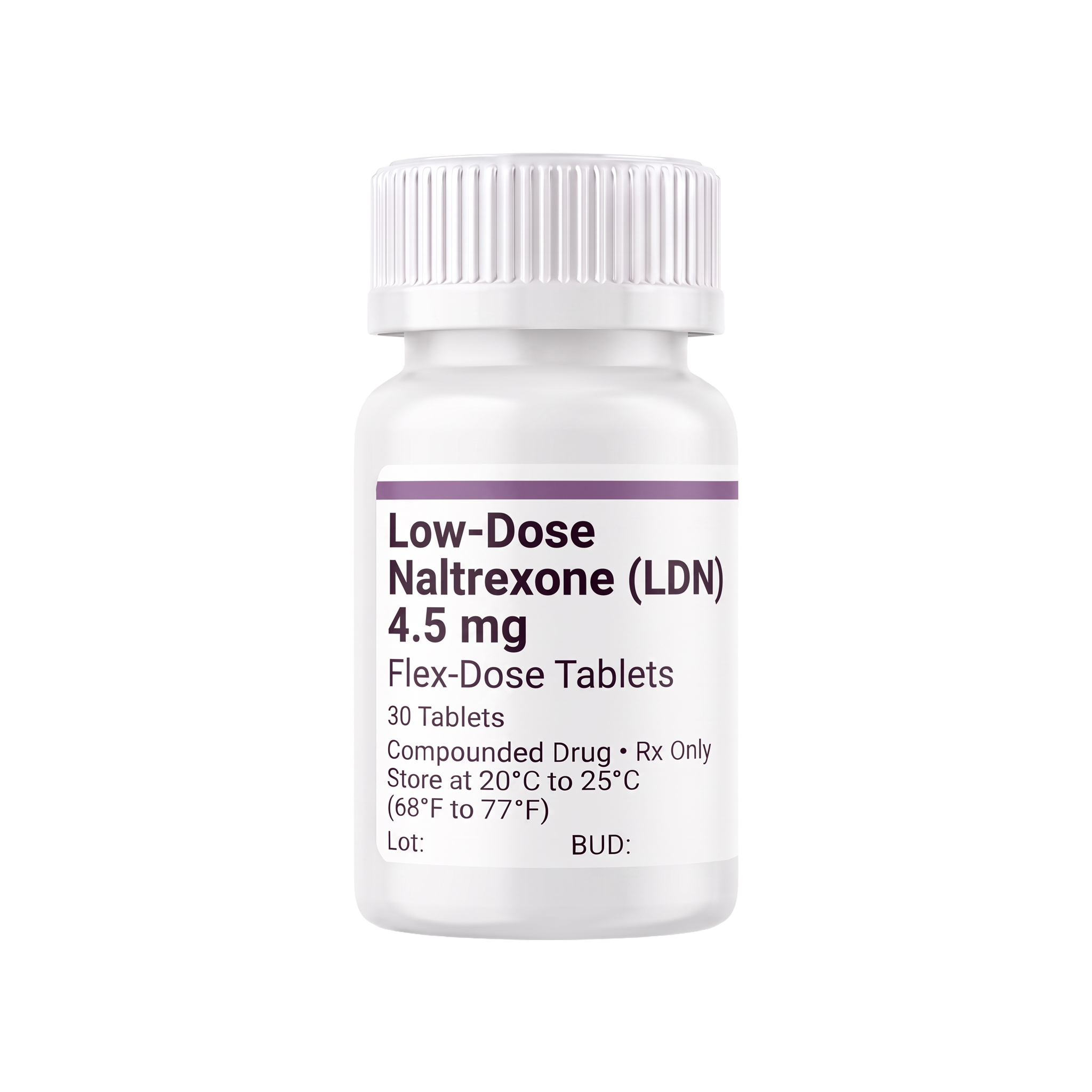
Compounded low-dose naltrexone (LDN)

Learn more →

Bupropion / Naltrexone HCl

Oral

Compounded oral combination of bupropion and naltrexone

Learn more →

Semaglutide & Tirzepatide

Injection

Compounded semaglutide and tirzepatide combination injection

Learn more →

Listing a medication is not an offer, recommendation, or confirmation of availability. Your provider and pharmacy determine what is appropriate.

You don't have to white-knuckle this alone.

Constant thoughts about food, strong sugar cravings, and a pull toward snacking can wear you down, and willpower alone doesn't always help. A provider conversation gives you a place to talk about it, without needing to know the cause first.

Start with what it feels like

Talk about when cravings hit, what triggers them, and how they affect your days. Your experience belongs in the conversation.

Understand what may be behind it

Sleep, stress, blood sugar swings, restrictive dieting, some medications, and eating patterns can all play a part. A provider can evaluate before discussing treatment.

Look beyond the prescription

Find out how appointments, costs, and follow-up work so you understand what care would involve before deciding to move forward.

How DrWell works

From researching options to talking with a provider.

Use DrWell to find providers serving your location, get to know a practice, and take the next step toward an evaluation.

1

Find a provider serving your location

Explore provider information through DrWell and identify practices to contact about cravings and weight management.

2

Get answers before you book

Review the provider's qualifications. Contact the practice about services, appointment options, fees, and availability so you know what to expect.

3

Start with your health and goals

At your evaluation, discuss what you've tried and what matters to you. Your provider explains the options and determines whether treatment is appropriate.

Find a provider

Understand your options

Explore the possibilities. Start with your needs.

"Food noise" is a popular phrase for constant thoughts about food, not a medical diagnosis. A provider can help you understand what may be behind it and which approaches may fit your health history and goals.

You don't need to choose from the options below before reaching out. Treatment begins with a medical evaluation, where you can discuss your questions and concerns. Services and treatment availability vary by practice.

01

Finding what's driving it

Poor sleep, stress, blood sugar swings, very restrictive dieting, some medications, and emotional eating can all increase cravings. A provider may ask about your eating patterns and can screen for binge eating disorder, which is common and treatable.

02

Naltrexone and low dose naltrexone

Naltrexone is FDA approved for alcohol use disorder and opioid use disorder. Low dose naltrexone is used off-label, meaning outside its labeled indication, and is typically compounded, which means it is compounded, not FDA approved. Evidence for cravings or weight loss is limited. Naltrexone cannot be used with opioid medications, and liver function may be monitored.

03

Bupropion and naltrexone

The combination of bupropion and naltrexone in extended-release form is FDA approved for chronic weight management. Compounded versions are compounded, not FDA approved. Bupropion carries a boxed warning about suicidal thoughts and behaviors, and the combination is not right for people with seizure disorders or uncontrolled high blood pressure. Discuss suitability, interactions, and monitoring with your provider.

04

GLP-1 medications

GLP-1 and related medications act on appetite and food intake and are prescribed for weight management when appropriate. Experiences vary, and compounded semaglutide and tirzepatide are compounded, not FDA approved. See the Weight Loss page for more.

05

Nutrition, sleep, and support

Regular meals with protein and fiber, enough sleep, stress management, and counseling such as cognitive behavioral therapy can reduce cravings for some people. Ask how the practice builds these into care.

Find the provider, not just the medication.

Searching for help with cravings or "food noise"? Get to know who would evaluate you, how they approach eating patterns and medication together, and how they handle care after the first visit.

Find a provider

Low dose naltrexone vs bupropion and naltrexone: start with your health.

You don't need to choose between medications before making an appointment. A provider can explain how the differences relate to your health history, potential risks, preferences, and costs.

Low dose naltrexone

A much smaller dose of naltrexone, used off-label and typically compounded. Evidence for cravings and weight is limited.

Bupropion and naltrexone

A combination FDA approved for chronic weight management in extended-release form, with a boxed warning for bupropion and requirements for monitoring.

These options have different doses, risks, and evidence, and are not interchangeable. Bring your questions to a provider who can evaluate whether either is appropriate for you.

Find a provider

Know what care would cost

Understand the full cost before you decide.

Look beyond the medication price. Find out what you would pay to get started, what ongoing care includes, and which expenses are separate.

Your first visit and follow-up

Confirm the evaluation fee, what the appointment includes, and how future visits are billed. Ask what happens if you have questions between appointments.

Your medication

Cost depends on the specific prescription, dispensing pharmacy, and coverage or payment arrangements. Ask what the quoted price includes.

Other expenses

Ask whether lab work, supplies, delivery, or recurring program fees are billed separately. Understand cancellation and refund terms before committing.

When asking about a compounded preparation, request a quote for the exact preparation, which is compounded, not FDA approved, from the provider and pharmacy. Confirm the total and whether appointment fees or other expenses are separate.

Find a provider

Care near me, or care online?

Your appointments need to work with your routine. Find a provider serving your location, then ask how the practice handles visits and ongoing care.

Prefer an in-person conversation?

Confirm the practice's location, services, and evaluation process. Ask how follow-up works and whom you would contact with questions about treatment.

Prefer online care?

Ask whether the provider offers virtual appointments where you are located, what can be handled remotely, and whether any visits or testing require an in-person appointment.

Appointment formats, services, and availability vary by provider.

Find a provider

The first conversation

Choose the provider, not just the prescription.

Get to know the healthcare professional and practice responsible for your care. Look beyond the medication name to understand how the practice would work with you.

Qualifications

Review the provider's credentials and experience with weight management and eating concerns.

Care approach

Ask how your eating patterns, history, and goals inform the evaluation, and how medication and behavior support fit together.

Follow-up

Find out how side effects, mood changes, and other medical questions are handled and when your care would be reassessed.

Fees

Confirm who bills you, what each charge includes, and which expenses are separate.

Bring your questions. Get to know your options.

Use these answers to prepare for a provider conversation, not to choose a prescription on your own. Your provider and pharmacist should guide decisions about your health and any specific medication.

What is food noise?

Food noise is a popular term for persistent, intrusive thoughts about food. It is not a medical diagnosis, but it can be distressing, and a provider can help you understand what may be behind it.

What is low dose naltrexone?

It is a much lower dose of naltrexone than is used for its approved purposes, and it is used off-label, meaning outside its labeled indication. It is typically compounded, which means compounded, not FDA approved. Ask your prescriber and pharmacist why it is being considered, what it contains, and where it is prepared.

Does naltrexone work for weight loss?

Naltrexone alone is not FDA approved for weight loss. The combination of bupropion and naltrexone in extended-release form is approved for chronic weight management. Your provider can explain whether either is appropriate for you.

Can naltrexone help with alcohol cravings?

Naltrexone is FDA approved to treat alcohol use disorder and opioid use disorder, which is a different purpose from weight management. If you're concerned about your drinking, tell your provider so you can talk about the right kind of support.

What is bupropion and naltrexone?

It is a combination medication in extended-release form, FDA approved for chronic weight management. Bupropion carries a boxed warning about suicidal thoughts and behaviors, and the combination is not for everyone. Compounded versions are compounded, not FDA approved.

How do I stop sugar cravings?

Many people find that regular meals with protein and fiber, enough sleep, and managing stress help. If cravings feel hard to control or distressing, a provider can evaluate what may be behind them and discuss options.

How do I stop food cravings?

Start by noticing when they happen. Skipped meals, poor sleep, stress, and restrictive diets can all increase them. A provider can look at the whole picture and discuss whether medication or other support may help.

Could my cravings be binge eating disorder?

Feeling out of control while eating, eating large amounts quickly, and feeling distress afterward can be signs of binge eating disorder. It is treatable. Tell your provider so they can evaluate and connect you with the right support.

How much does treatment for cravings cost?

Cost varies by treatment, pharmacy, and associated care fees. Request an itemized quote from the provider and pharmacy, and confirm whether appointments, medication, and lab work are included or billed separately.

Find a provider. Start with what you're feeling.

You don't need to have a medication in mind. Find a provider through DrWell to discuss what you've tried, what concerns you, and whether treatment for cravings may be appropriate for you.

Find a provider

Finding a provider does not guarantee an appointment, prescription, or treatment outcome.

DrWell is not a clinic and does not provide medical advice, diagnosis, treatment, or prescriptions. Medical care is provided by the healthcare provider you choose.

This page provides general information and does not establish treatment availability or individual suitability. Services, appointment formats, fees, and prescribing decisions vary by provider. Compounded medications are compounded, not FDA approved.