Find a testosterone doctor or men's health clinic to help you understand your options, not a prescription you have to choose on your own.
Whether you're searching for a "TRT clinic near me" or considering online testosterone therapy, DrWell helps you find a provider serving your location. Bring your symptoms, your history, and your questions. Start with a conversation, and with lab work, about what may fit your health.
Medications a provider may discuss.

Compounded topical testosterone, Schedule III controlled substance
Testosterone Cream
Compounded oral testosterone tablet, Schedule III controlled substance
Oral Testosterone LPTListing a medication is not an offer, recommendation, or confirmation of availability. Your provider and pharmacy determine what is appropriate.
Low energy, low drive, and slower recovery can have many causes, and they're easy to brush off. So can wondering whether treatment is right for you. A provider conversation gives you a place to discuss both, without needing to know the answer first.
Talk about energy, mood, sleep, sex drive, and strength, and when they changed. Your experience belongs in the conversation.
Low testosterone is diagnosed with symptoms plus blood tests, and sleep problems, weight, medications, and other conditions can look the same. A provider can evaluate before discussing treatment.
Find out how lab work, appointments, costs, and follow-up work so you understand what care would involve before deciding to move forward.
How DrWell works
Use DrWell to find providers serving your location, get to know a practice, and take the next step toward a men's health evaluation.
1
Explore provider information through DrWell and identify practices to contact about testosterone and men's health care.
2
Review the provider's qualifications. Contact the practice about services, lab testing, appointment options, fees, and availability so you know what to expect.
3
At your evaluation, discuss your symptoms and history. Your provider explains the options and determines whether testing or treatment is appropriate.
Understand your options
Men's health care can involve more than testosterone. A provider can help you understand the approaches that may fit your health history, goals, and plans for fertility.
You don't need to choose from the options below before reaching out. Treatment begins with a medical evaluation, where you can discuss your questions and concerns. Services and treatment availability vary by practice.
01
Guidelines call for symptoms plus repeated morning blood tests showing low testosterone before treatment is considered. A provider may also check other hormones, blood counts, and prostate health, and look at sleep apnea, weight, alcohol, and medications that can lower testosterone.
02
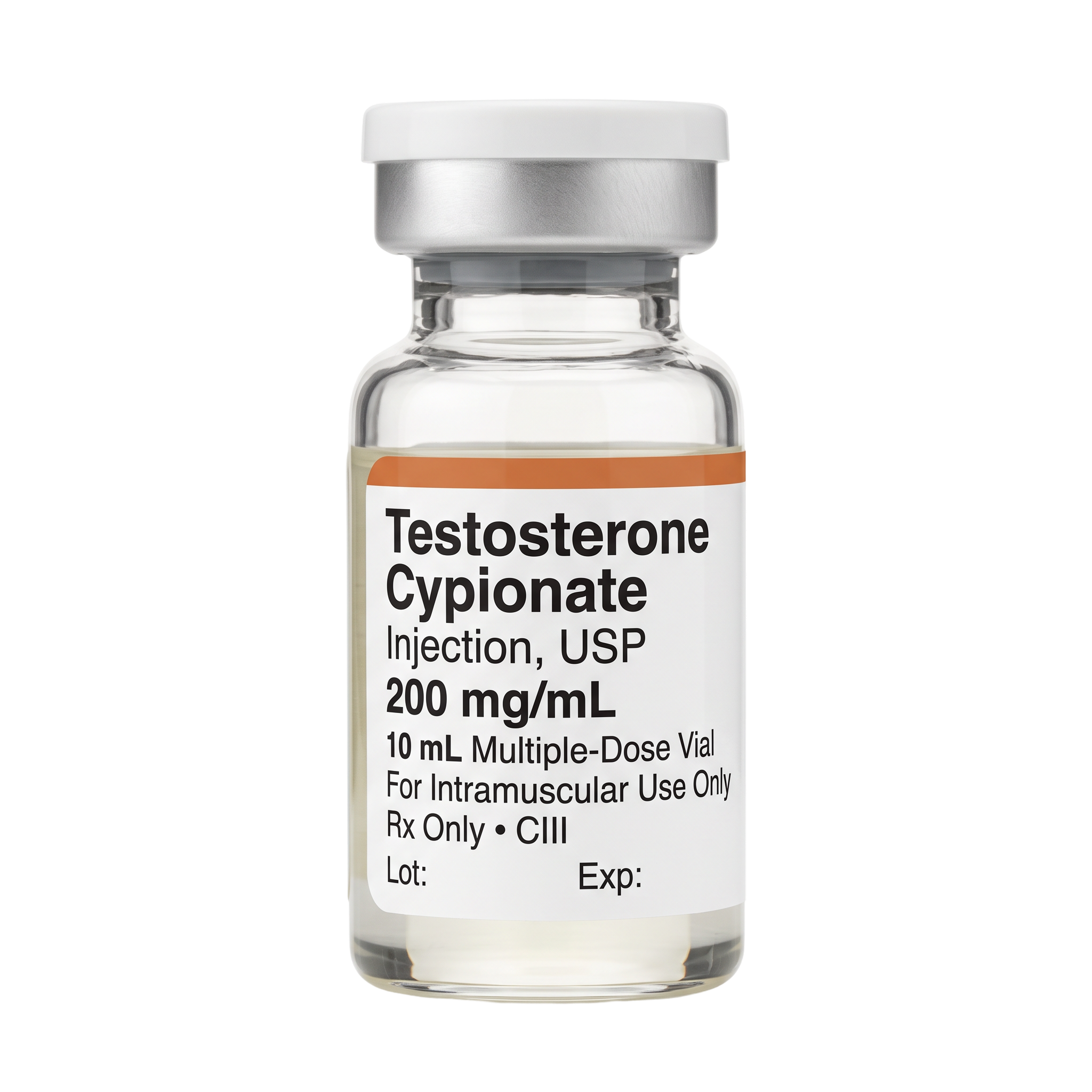
Testosterone is available as injections such as testosterone cypionate, gels, patches, and other FDA-approved forms. It is a Schedule III controlled substance, so it requires a prescription and follow-up. Risks include higher red blood cell counts, reduced sperm production and fertility, worsened sleep apnea, acne, and breast tenderness. It is not appropriate for everyone, including men with prostate or breast cancer. Ask how your provider would monitor you.
03
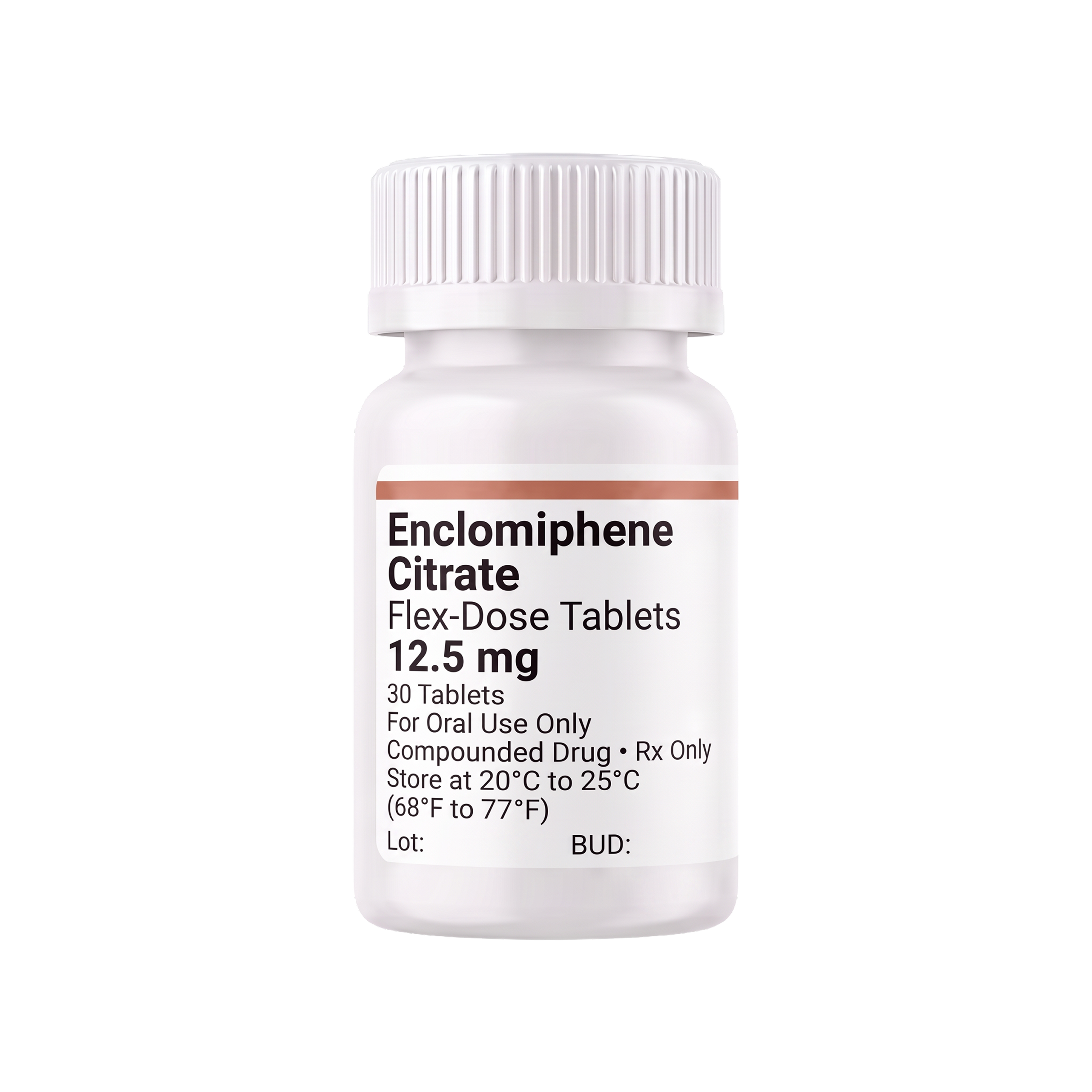
Testosterone therapy can lower sperm counts. If you may want children, ask about alternatives. Enclomiphene, an oral medication that aims to raise the body's own testosterone, is not FDA approved, and clomiphene is used off-label, meaning outside its labeled indication. Compounded preparations are compounded, not FDA approved. Ask why a specific option is being considered and what evidence supports it.
04
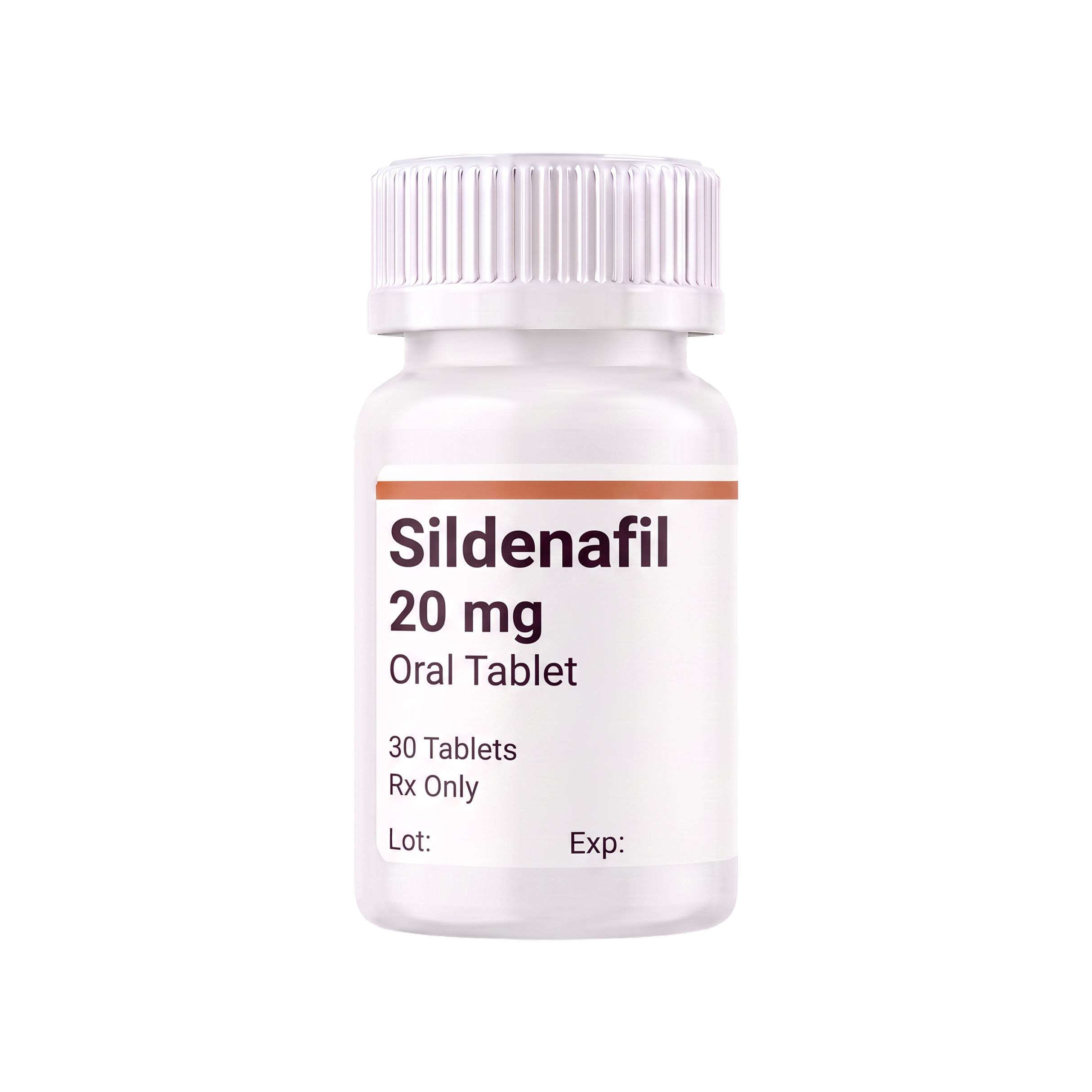
FDA-approved options include sildenafil, tadalafil, and vardenafil. They cannot be used with nitrate medications and may not be safe with some heart conditions. Because erectile dysfunction can signal heart or blood sugar problems, a provider may recommend an evaluation as well.
05
Poor sleep, excess weight, alcohol, stress, and some medications can lower testosterone and energy. For some men, addressing these may improve symptoms. Ask how the practice looks at the whole picture, not only a hormone number.
06
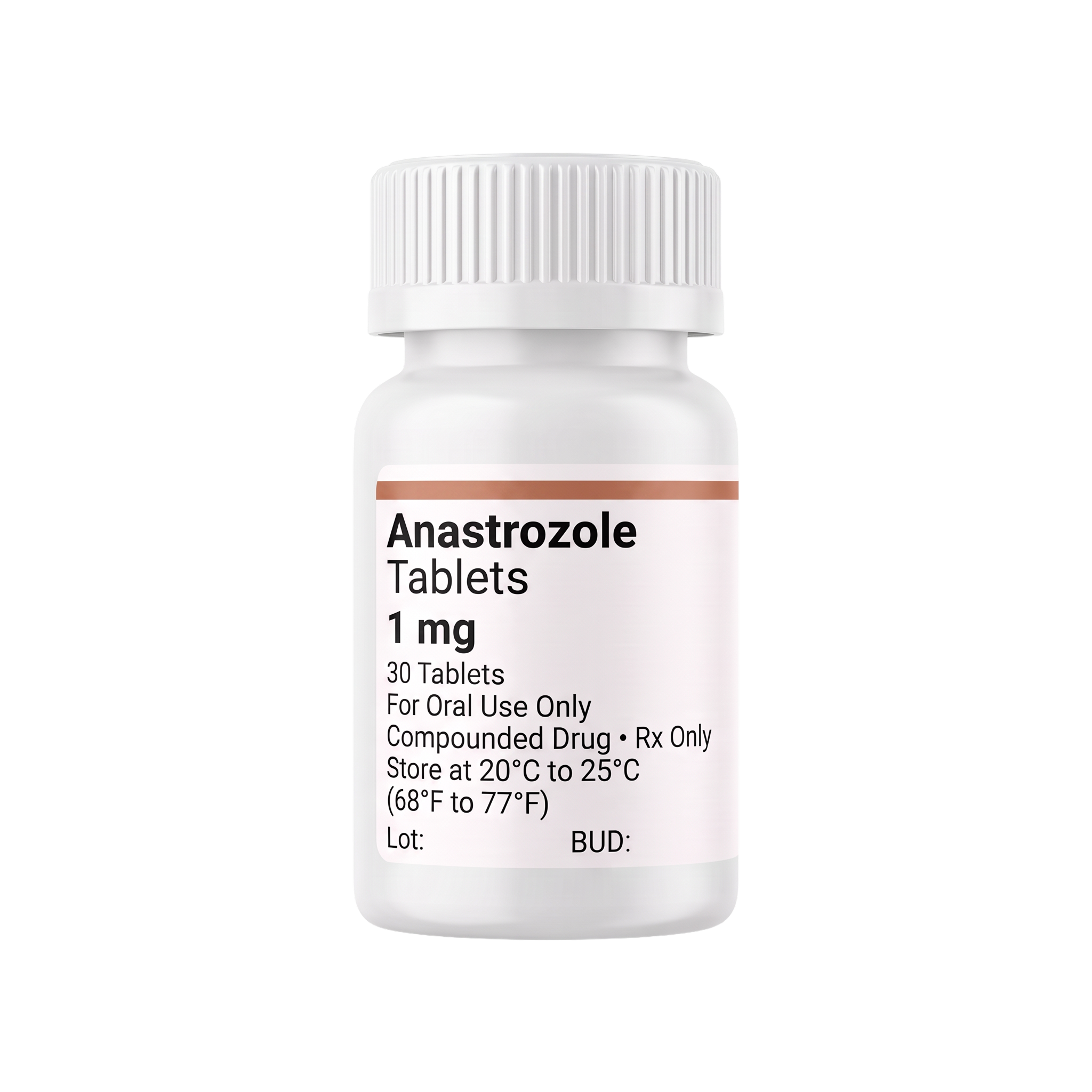
Testosterone can convert to estrogen in the body, and some providers prescribe anastrozole, an aromatase inhibitor, to lower it. Anastrozole is not FDA approved for use in men, and it can reduce bone density and cause joint pain and mood changes. Ask why it is being considered and how your estrogen level would be monitored.
Searching for a "TRT clinic near me" or "low testosterone treatment near me"? Whether you're considering a men's health clinic or a broader primary care practice, get to know who would evaluate you and how they handle monitoring after the first visit.
You don't need to choose between treatments before making an appointment. A provider can explain how the differences relate to your labs, symptoms, fertility plans, potential risks, and costs.
Replaces testosterone with an FDA-approved product. It can lower sperm production and requires ongoing monitoring.
An oral medication that aims to raise the body's own testosterone production. It is not FDA approved, and evidence on long-term safety is limited. Compounded versions are compounded, not FDA approved.
These options work differently, have different risks, and are not interchangeable. Bring your questions to a provider who can evaluate whether either is appropriate for you.
Find a providerKnow what care would cost
Look beyond the medication price. Find out what you would pay to get started, what ongoing care includes, and which expenses are separate.
Confirm the evaluation fee, what the appointment includes, and how future visits are billed. Ask what happens if you have questions between appointments.
Testosterone cost depends on the form, dispensing pharmacy, and coverage or payment arrangements. Ask what the quoted price includes.
Ask whether lab work, supplies, delivery, or recurring program fees are billed separately. Testosterone therapy involves regular blood tests, so ask how often and what they cost. Understand cancellation and refund terms before committing.
When asking about a compounded preparation, request a quote for the exact preparation, which is compounded, not FDA approved, from the provider and pharmacy. Confirm the total and whether appointment fees or other expenses are separate.
Find a providerYour appointments need to work with your routine. Find a provider serving your location, then ask how the practice handles visits, lab work, and ongoing care.
Prefer in-person visits and blood draws? Confirm the practice's location, services, and evaluation process. Ask how monitoring works and whom you would contact with questions about treatment.
Ask whether the provider offers virtual appointments where you are located, how lab work is collected, and whether any visits or testing require an in-person appointment. Controlled substance prescribing rules vary by state and provider.
Appointment formats, services, and availability vary by provider.
Find a providerThe first conversation
Get to know the healthcare professional and practice responsible for your care. Look beyond the treatment name to understand how the practice would work with you.
Review the provider's credentials and experience with testosterone and men's health care.
Ask how your symptoms, labs, history, and fertility plans inform the evaluation, and whether the practice looks for other causes first.
Find out how often labs are repeated, what is monitored, and how side-effect concerns are handled.
Confirm who bills you, what each charge includes, and which expenses are separate.
Use these answers to prepare for a provider conversation, not to choose a prescription on your own. Your provider and pharmacist should guide decisions about your health and any specific medication.
Common symptoms include low energy, reduced sex drive, erectile problems, lower muscle mass, and mood changes. These are not specific to low testosterone and can have other causes, so blood tests and an evaluation are needed.
Generally with symptoms plus blood tests, often repeated, drawn in the morning. A provider may also check other hormones and health markers to find the cause.
It depends on the person. Risks include higher red blood cell counts, reduced fertility, worsened sleep apnea, and others, and it is not appropriate for everyone. This is not a complete list of risks. Review the full medication information with your prescriber.
Yes, it can lower sperm production, sometimes substantially. If you may want children, tell your provider before starting and ask about alternatives.
Treatment is often long-term, and symptoms and levels may return after stopping. Ask your provider what ongoing care involves and what stopping would look like.
Yes. Testosterone is a Schedule III controlled substance in the United States, so prescribing is regulated and follow-up is required.
It is an oral medication being studied as a way to raise the body's own testosterone. It is not FDA approved, and compounded versions are compounded, not FDA approved. Ask your prescriber and pharmacist about the exact preparation, its source, and its risks.
Some men use both when appropriate. ED medications such as sildenafil and tadalafil cannot be used with nitrates and are not right for everyone. Your provider can review your health history.
Cost varies by form, pharmacy, lab work, and associated care fees. Request an itemized quote and confirm whether appointments, medication, and monitoring are included or billed separately.
TRT stands for testosterone replacement therapy, the use of prescribed testosterone to treat low testosterone that causes symptoms. It is not appropriate for everyone, and it begins with an evaluation and lab work.
Testosterone cypionate is an injectable form of testosterone. Your provider can explain the dose, schedule, and monitoring, and whether this form fits your health history and preferences.
Anastrozole lowers estrogen. In men it is used off-label, meaning outside its labeled indication, and some providers use it alongside testosterone. It can reduce bone density and cause side effects, so ask why it is being considered and how you would be monitored.
Some providers prescribe testosterone after an online evaluation and lab work where permitted. Because testosterone is a controlled substance, rules vary by state and provider. Ask how the provider evaluates you, how labs are collected, and how follow-up works.

You don't need to have a treatment in mind. Find a provider through DrWell to discuss your symptoms, what concerns you, and whether testosterone therapy may be appropriate for you.
Find a providerFinding a provider does not guarantee an appointment, prescription, or treatment outcome.
DrWell is not a clinic and does not provide medical advice, diagnosis, treatment, or prescriptions. Medical care is provided by the healthcare provider you choose.
This page provides general information and does not establish treatment availability or individual suitability. Services, appointment formats, fees, and prescribing decisions vary by provider. Compounded medications are compounded, not FDA approved.