Low testosterone, also known as low T, can affect more than just sex drive. Testosterone plays an important role in muscle development, energy, mood, bone health, and reproductive function. When levels are lower than normal, men may notice changes that affect how they feel and function day to day.
But here's the important part: experiencing symptoms doesn't necessarily mean you have low testosterone. Understanding the signs is a good first step, but proper testing and a personalized evaluation are essential.
Common Signs of Low Testosterone
Testosterone levels naturally change with age, but consistently low levels can contribute to several symptoms, including:
- Low sex drive: A noticeable decrease in sexual desire.
- Fatigue: Feeling unusually tired or lacking energy, even after adequate rest.
- Changes in mood: Increased irritability, low mood, or difficulty concentrating.
- Loss of muscle mass: Difficulty maintaining muscle or noticing changes in strength.
- Increased body fat: Changes in body composition, particularly around the midsection.
- Erectile difficulties: Trouble achieving or maintaining an erection.
- Reduced bone density: Lower testosterone can contribute to weaker bones over time.
Not everyone experiences the same symptoms, and some men with low testosterone may have very few noticeable changes.
Why Symptoms Alone Aren't Enough
Many signs of low testosterone overlap with other health conditions. Poor sleep, chronic stress, depression, thyroid disorders, obesity, certain medications, and other medical concerns can cause similar symptoms.
That's why a diagnosis shouldn't be based on how you feel alone.
Healthcare providers typically evaluate testosterone levels through blood testing, usually performed in the morning when levels are highest. A diagnosis generally requires both compatible symptoms and consistently low testosterone levels confirmed through repeat testing.
Your provider may also recommend additional testing to help identify what's contributing to low levels.
What Are Your Treatment Options for Low Testosterone?
The goal of testosterone treatment isn't just to improve lab numbers. It's to help address the symptoms affecting your everyday life. Your provider considers your symptoms, hormone levels, medical history, and personal goals to determine the most appropriate treatment approach. Follow-up care looks at both how you're feeling and how your body is responding to treatment.
Testosterone cream is one treatment option for men with confirmed testosterone deficiency. Applied to the skin, topical testosterone is absorbed into the bloodstream to help restore testosterone levels. It offers an alternative to injections and may be appealing to men who prefer a daily topical application.
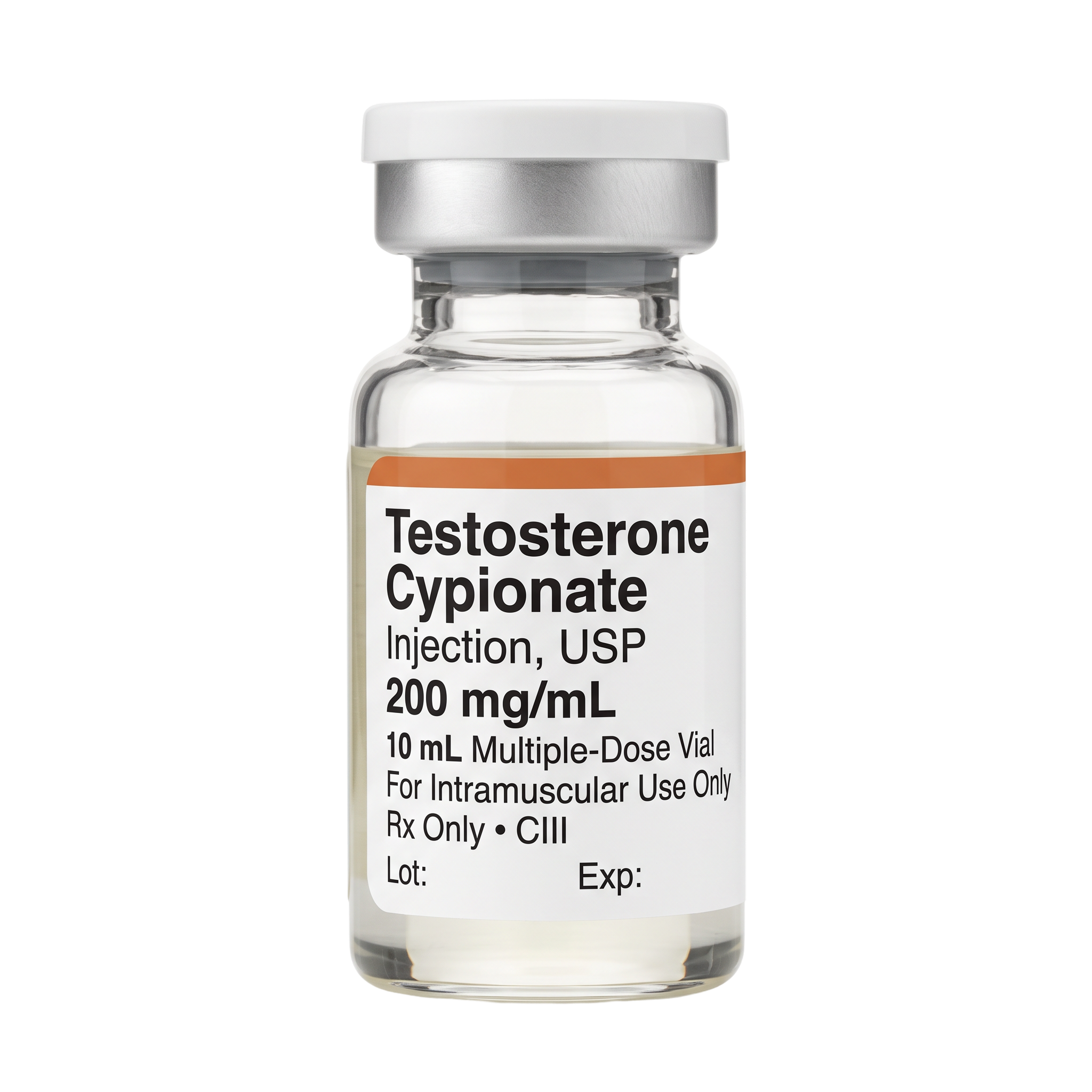
Testosterone injections are another option and are typically administered on a prescribed schedule. The right approach depends on individual factors, including hormone levels, preferences, medical history, and treatment goals.
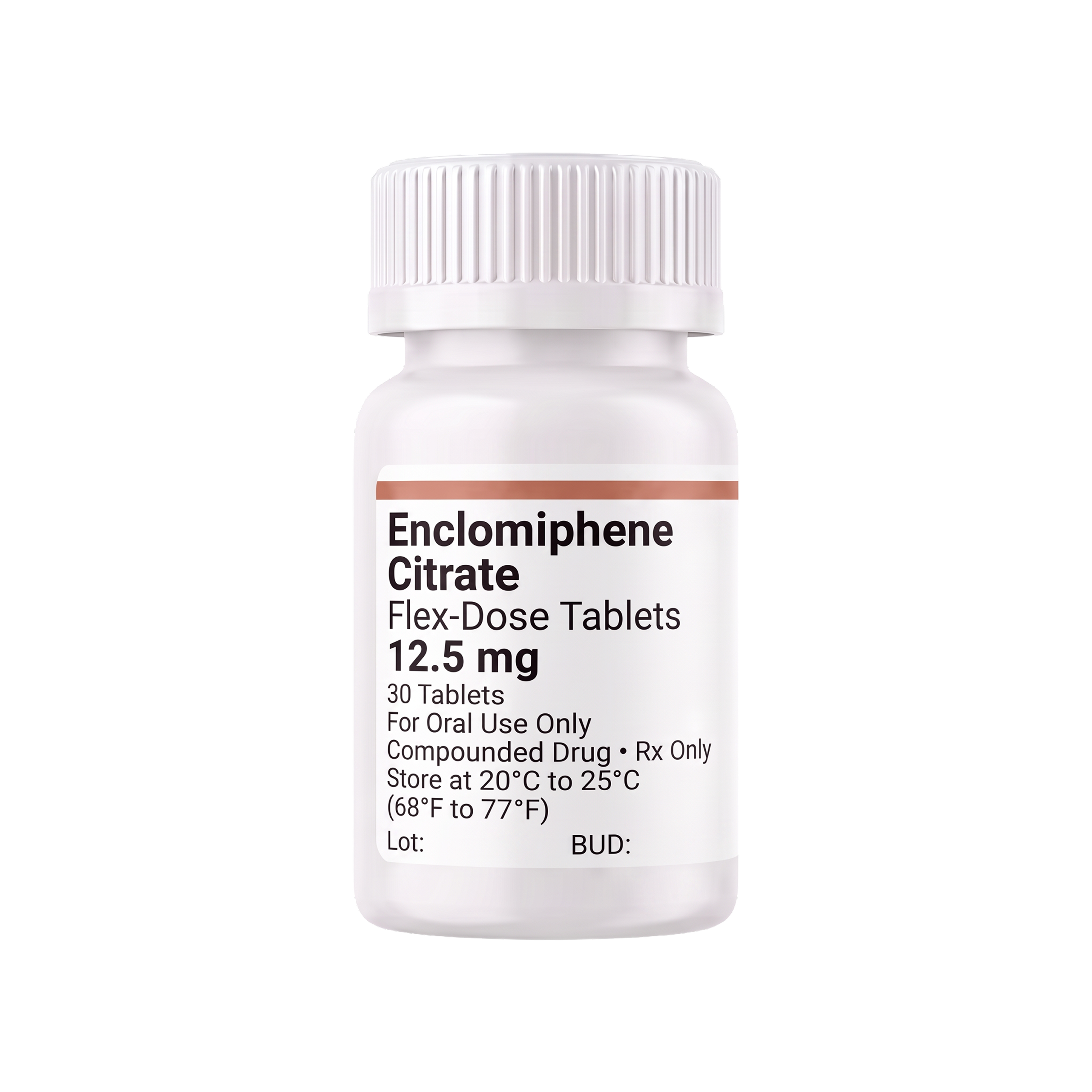
Enclomiphene is unlike traditional testosterone replacement in that it works by stimulating the body's own hormone signaling to encourage natural testosterone production. It may be an option for certain men who want to improve testosterone levels while preserving sperm production and fertility potential.
Oral Testosterone LPT uses a liposomal delivery system designed to encapsulate testosterone within microscopic lipid layers. This approach is intended to support the delivery of testosterone through an oral formulation, offering an alternative to topical applications and injections.
All testosterone-related treatments have potential risks and aren't appropriate for everyone. For example, testosterone replacement can suppress sperm production and fertility, while other approaches have their own considerations. Ongoing medical supervision is important.
What Should You Do If You Suspect Low T?
At DrWell, we believe better outcomes start with understanding the person. Not just the lab results.
Our approach considers your symptoms, hormone levels, medical history, and personal goals to help determine an appropriate treatment plan. Whether you're exploring testosterone cream, injections, enclomiphene, or oral testosterone LPT, provider guidance helps ensure treatment decisions are individualized.
Follow-up care is also important. Monitoring how you feel alongside your lab results helps providers evaluate your response and make adjustments when appropriate.
Symptoms can be a reason to investigate low testosterone, but they aren't a diagnosis. Testing, medical history, and provider evaluation help determine what's really going on.